A Baseball Design Asset for Graphics and Crafts
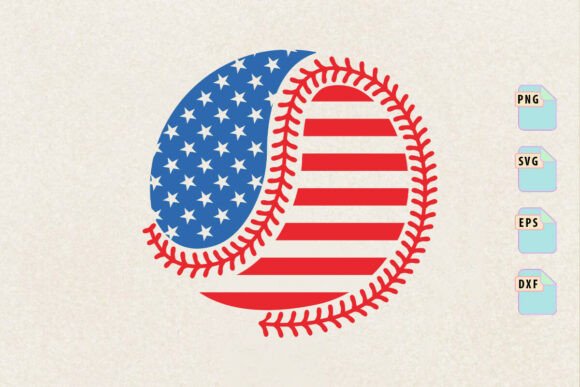
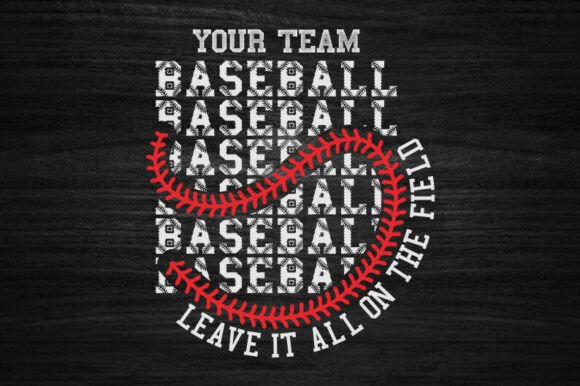
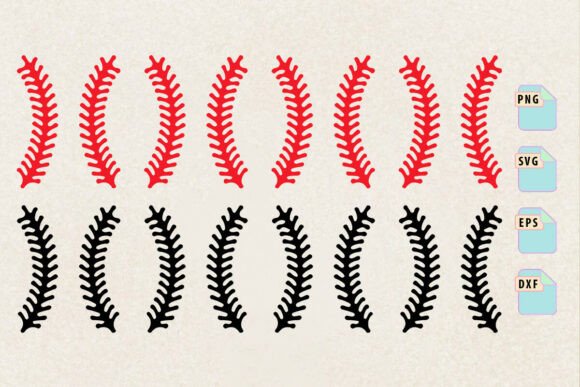
When a client project lands on my desk, the first thing I do is gather visual assets that can support the concept. Recently, while developing branding for a local baseball league’s summer merchandise line, I reviewed a specific graphic: Baseball Svg, Baseball Stitches Svg. My immediate impression wasn't just of a sports icon, but of a classic, textured element with immediate nostalgic appeal. It felt less like generic clipart and more like a foundational design piece—clean, iconic, and loaded with inherent Americana style.
The Visual Mood and Client Fit
The distinct stitching pattern creates a mood of authenticity, tradition, and handmade craftsmanship. This isn't a sleek, minimalist geometric shape; it’s a design asset that carries a story. It naturally fits clients and projects rooted in community, sports, heritage, or casual, approachable branding. I envisioned it instantly for that local league’s t-shirts, but also for a boutique sports cafe’s packaging, an Etsy shop selling handmade game-day decor, or a blogger creating seasonal content around summer activities.
Performance in Real Design Situations
In practical application, the versatility promised by the multiple file formats—SVG for Cricut, PNG, vector, DXF for laser—is crucial. For logo design, the stitches could serve as a secondary mark or textured background element for a sports brand, though it’s likely too detailed to be the primary logo itself. In brand identity, it can reinforce a theme across touchpoints.
For product labels and packaging design, especially for craft beverages, snacks, or merchandise, the asset adds a tactile, physical quality even on a flat surface. On posters, flyers, and invitations for team events or community fundraisers, it acts as an immediate visual anchor. Its strength shines in merchandise and printable designs: t-shirts, mugs, tote bags, and sticker design where the clean vector lines ensure crisp production, whether for vinyl cutting or sublimation.
In digital spaces, like website graphics, blog visuals, or social media graphics for Instagram posts and Pinterest pins, it provides a strong, recognizable icon that boosts engagement. It could be central to a Canva template for a coach creating team announcements or a print-on-demand seller building a seasonal product collection.
Where This Graphic Design Asset Works Best
This asset excels when given space and purpose. Use it in large layout areas as a hero graphic or bold background texture. It’s perfect for product mockups to visualize final applications. As a decorative accent within a themed collection—say, a series of graphics for a baseball tournament campaign—it ensures consistency. It works beautifully as a detailed element on packaging or as the focal point of a printable wall art piece for a sports-themed room.
Considerations for Careful Use
Like any detailed element, it requires thoughtful placement. In small sizes, the intricate stitches may become fuzzy or lose definition, especially in print. Avoid crowded layouts where it competes with other complex elements. On complex backgrounds, its effectiveness diminishes; it needs clear contrast. For minimalist branding or professional corporate materials where clean visual hierarchy is paramount, this asset might feel too ornamental and specific, potentially clashing with a more serious tone.
Impact on Design Fundamentals
Introducing Baseball Svg, Baseball Stitches Svg into a layout affects core design principles. Its circular form and internal pattern can dominate visual hierarchy, so surrounding text and elements need to be balanced carefully—a bold sans serif font often complements it better than a delicate script. For brand consistency, using it as a repeated pattern across materials can build strong recognition. It fosters emotional appeal and audience engagement by tapping into shared cultural imagery. When used appropriately, it enhances the professionalism and polish of a project by providing a high-quality, editable asset instead of a pixelated stock image.
Practical Designer Notes Before Client Use
Before committing this asset to a client’s commercial design, I run a series of checks. First, test it in black and white to ensure the form holds without color. Check contrast on both light and dark backgrounds. Preview it at the extremes: a tiny 1-inch size and a large poster size to see how the detail scales. Place it on real product mockups—a t-shirt, a mug—to visualize the end use.
For print projects, test the print quality, especially the SVG or vector files, to guarantee crisp lines. Inspect the PNG file’s transparency if using it layered over other graphics. If customization is needed, open the SVG in a vector editor to confirm easy editability for color changes or minor adjustments. Try pairing it with different font styles: a solid serif for a classic feel, a modern sans serif for a cleaner look, to see which supports the mood best. Finally, and most critically, confirm the commercial license explicitly. Using a digital product for a client’s business or marketing visuals requires clear, legal permission for commercial use.
The Final Judgment for Project Suitability
Reviewing Baseball Svg, Baseball Stitches Svg from a professional standpoint, I judge it as a highly useful, niche-specific design asset. It won’t be the right tool for every project, but for clients within its thematic wheelhouse—crafts, sports, community-focused small business branding, seasonal campaigns—it’s a powerful shortcut. It provides a polished, scalable graphic that avoids the need for custom illustration, saving time while maintaining quality. For the baseball league merchandise project, it became a key element in their design bundle, unifying their shirt designs, digital ads, and event posters with a consistent, authentic visual thread. In the right context, it’s more than just a file; it’s a ready-made piece of visual storytelling.