A Designer's Honest Take on the "I'm a Banana Goose" SVG
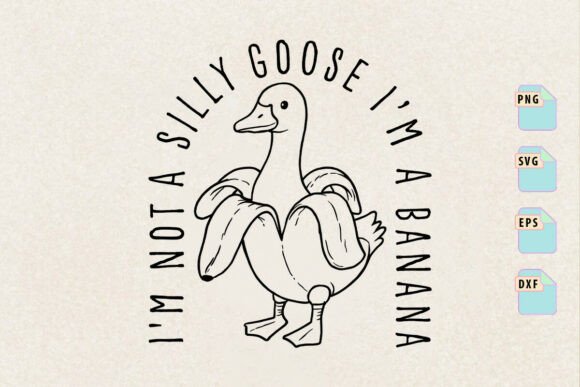
There’s a moment in every designer’s workflow when you open a new file and instantly know the mood it will create. That’s exactly what happened when I first previewed the I’m a Banana Goose SVG, Silly Goose SVG. It’s not just a graphic; it’s a full personality ready to be stitched. As someone who routinely evaluates embroidery designs for real client projects and my own handmade products, my first thought was about translation: how does this digital whimsy become tangible thread on fabric? The answer, as I’ve considered it, is surprisingly versatile and full of potential, provided you approach it with a practical, embroiderer’s mindset.
The Immediate Mood: Retro Humor Meets Craft
The design’s charm is immediate. It leverages that specific brand of snarky, retro humor that resonates deeply in today’s crafting communities. The visual personality is playful and sassy, not aggressive, which is a key distinction. This makes it exceptionally giftable and broadly appealing. For an embroidery designer, the shape is clean and the layout straightforward—a single, strong focal point. The detail level appears intentionally balanced: not overly dense, which suggests it won’t require an enormous stitch count, but with clear areas that would translate nicely into satin stitches for the main elements and fill stitches for larger blocks like the banana. This isn’t a hyper-detailed, technical masterpiece; it’s a mood-setter. It naturally belongs to projects where personality is the primary product.
Where This Goose Truly Flies in Embroidery
In practical application, this design shines on casual, personalizable items. I immediately pictured it on a cotton canvas tote bag for a quirky friend, or centered on the back of a soft sweatshirt. Its aesthetic is perfect for baby items—think a simple, sweet placement on a knit blanket or the corner of a nursery pillow cover—where the silly animal meme adds gentle, visual interest. For small business owners and Etsy sellers, this is a strong candidate for custom apparel like aprons or tea towels, where a touch of humor elevates a functional item. As a embroidered patch, it would be fantastic, allowing for application on caps, jackets, or backpacks. The clean lines also mean it would hold up well in digital product previews and printable mockups for your shop, clearly communicating the final product’s vibe to potential customers.
The value for craft businesses is in its recognition factor. A well-embroidered version of this on a product instantly creates a connection with buyers who appreciate that specific meme aesthetic. It enhances handmade presentation by showing you understand contemporary humor, which builds customer trust and engagement. For a boutique or small shop, using it consistently across a line of products—say, on tote bags, pillow covers, and kitchen towels—could create a cohesive, branded collection with a lighthearted theme.
Navigating the Practical Stitching Considerations
However, like any graphic translated to embroidery, success depends on thoughtful execution. The design’s strength is its clarity, but that can be compromised if not handled correctly. Here are the real-life scenarios where you should proceed with careful planning.
On small hoop sizes, the text “I’m a Banana” and any finer details in the goose’s features need scrutiny. You must test on scrap fabric first to ensure the stitch density doesn’t blob small lettering or delicate lines. Textured fabrics like thick sweatshirt material or linen can absorb detail; a good stabilizer choice is non-negotiable here. On thin or stretchy fabric, such as for a baby tee, the design’s stability relies entirely on your stabilizer and hoop technique to prevent puckering.
One of the most critical tests is on dark fabric backgrounds. The playful, likely lighter-colored aesthetic of the original graphic means thread color contrast is paramount. You’ll need to run a test stitch, possibly even a black and white mockup in your software, to see how the elements separate visually. Does the goose’s form hold against a navy or black fabric? Adjusting thread colors might be necessary. For curved surfaces like caps, the design’s relatively compact, central layout is advantageous, but you must check for any detailed corners that might distort on the curve.
Finally, for products destined for frequent washing—like kitchen towels or baby clothes—consider simplifying any extremely dense stitch areas you might create. Durability favors slightly less dense fills over time. Always inspect the small details in your test run to ensure they are stitchable and robust.
The Embroidery Designer’s Essential Checklist
Before committing this design to a client project or your shop merchandise, run through this practical list. It’s the difference between a disappointing result and a product that sells and delights.
- Test on Scrap First: Use fabric similar to your final product. Check stitch density, clarity of small features, and overall hoop size suitability.
- Thread Color Contrast: Review your palette against both light and dark fabric backgrounds. The design’s humor relies on clear visibility.
- Stabilizer Match: Pair the stabilizer type with your fabric texture and stretch. This is especially crucial for apparel decoration.
- Licensing Confirmation: Before selling any finished items or commercial embroidery projects, confirm the licensing terms of the digital embroidery file. Ensure your use—personal gifts or small business merchandise—is permitted.
- Commercial Project Fit: Does the mood align with your brand or your client’s request? Its silly, retro vibe is perfect for casual brands but might not suit formal corporate work.
From Digital File to Cherished Finished Product
At its core, the I'm a Banana Goose SVG, Silly Goose SVG is a design asset with high conversion potential. It translates digital humor into a tactile, handmade product that people want to own, gift, and wear. For the creative entrepreneur, it’s a tool to create engagement. A custom embroidered tote bag with this design feels personalized and current. A holiday gift like an embroidered pillow cover with this goose becomes a memorable, fun housewarming present. The professionalism comes from your execution—the clean stitches, the appropriate product choice, the quality materials.
My final, realistic take is this: this graphic is a strong, versatile choice for the right projects. It’s not a universal, one-size-fits-all embroidery file, but its niche is powerful and popular. By approaching it with the practical steps outlined—testing, adapting to fabric, confirming licensing—you can turn this silly goose into a seriously appreciated finished product. It proves that in the world of crafts and embroidery, personality, stitched well, is always a valuable commodity.