Crafting Vintage Charm with a Graphic Teacher Character SVG
The Immediate Impression: Quirky Retro Humor for Specific Niches
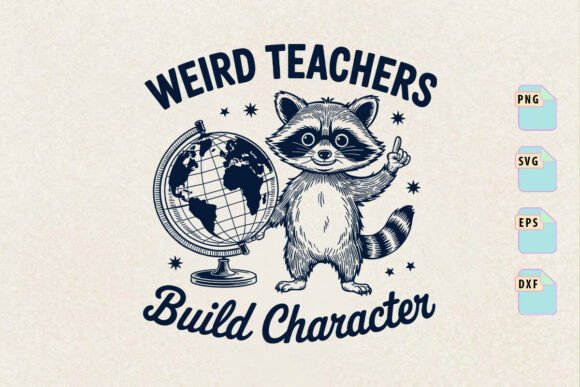
When you first open the Weird Funny Teachers Build Character SVG, the mood is unmistakable. It’s a playful, vintage-retro design, leaning heavily into a specific kind of humor. This isn’t a sleek, modern graphic design asset; it’s a deliberately quirky illustration that feels like a throwback. For a designer reviewing it for a real client project, this immediately signals its ideal use case: projects where personality and nostalgia are primary goals. It naturally fits clients in the handmade business or creative marketplace space, particularly those targeting educators, teacher appreciation gifts, or quirky lifestyle brands with a sense of humor.
The Real Client Scenario: A Boutique Teacher Gift Shop Launch
Imagine you’re designing for a small business launching an Etsy shop specializing in unique teacher gifts and classroom decor. This is the exact scenario where this graphic design asset becomes a valuable tool. The vintage-retro funny teacher SVG provides a ready-made visual core. It could anchor a collection of products, giving a cohesive, thematic look to a line of t-shirt designs, mug art, or printable wall art. For this client, the design isn’t just an image; it’s a brand mood setter that communicates a lighthearted, appreciative, and slightly nostalgic tone.
Where This SVG Design Excels in Commercial Design
In practical application, this versatile design shines in several key areas. Its bold, illustrative style makes it a strong candidate for larger layout areas where its details can be appreciated.
- Product Mockups & Merchandise: It’s ideal for direct application on physical items. Think t-shirt design, sublimation design for mugs or tote bags, and sticker design. The humor translates well to wearable and usable goods.
- Themed Campaign Visuals: For a seasonal campaign like Teacher’s Day or back-to-school, this can serve as a hero graphic for social media graphics, Pinterest pins, or email headers.
- Printable Designs: As a PNG with transparency, it easily integrates into Canva templates for invitations, posters, or flyers for school events or local fundraisers.
- Cricut Projects: The SVG format is perfect for crafters and DIY businesses creating custom vinyl decals, personalized gifts, or handmade packaging details.
- Supporting Brand Elements: For a brand already leaning into a quirky, illustrated identity, this could be a decorative accent on website graphics, blog visuals, or even editorial design for a niche publication.
Practical Considerations: Where to Apply with Care
Professional design judgment requires knowing an asset’s limits. While charming, this vintage illustration has specific traits that demand careful use in certain marketing visuals.
- Small Sizes & Complex Layouts: The detailed, “weird” character illustration may lose clarity and become visually noisy when scaled down too much or placed in a crowded layout with lots of text.
- Minimalist or Corporate Branding: This asset is inherently not minimalist. It would clash in projects requiring very clean visual hierarchy or a professional corporate aesthetic.
- Low-Contrast Environments: Placing it on a busy, similarly-toned background could destroy readability and impact. It needs space and clear contrast to stand out.
Impact on Brand Consistency and Audience Engagement
Using such a distinctive piece affects the overall project deeply. For the right client, it boosts emotional appeal and audience engagement by being relatable and humorous. It can enhance visual trust within a niche community—teachers and those who appreciate them—by feeling authentic and un-corporate. However, it must be integrated thoughtfully to maintain brand consistency. If the rest of the project’s typography and color palette aligns with its retro, funny vibe, the result feels polished and intentional. Mismatching it with a sleek sans-serif font and a muted palette would create discord and harm professionalism.
The Designer’s Essential Pre-Use Checklist
Before committing this asset to a paid client project, a working designer must run several tests. These steps separate a hobbyist use from a professional commercial design application.
- Test Scale and Readability: Preview it at both very large and very small sizes. Does the character remain legible as a small logo on a product label? Does it hold up as a large poster graphic?
- Check Contrast and Color Flexibility: Place it on pure white and dark backgrounds. Test it in black and white to ensure the forms work without color dependency. This is crucial for sublimation design or applications where color may be limited.
- Review File Formats & Editability: Inspect the SVG file for clean, editable vector paths if adjustments are needed. Verify the PNG’s transparency is clean with no residual white edges for overlay use.
- Place on Real Mockups: Drop it onto a t-shirt mockup, mug template, and a social media post layout. Does it integrate naturally with the product’s form and the platform’s constraints?
- Consider Typography Pairing: Compare it with different font styles. A complementary display font or a clean handwritten font may work well. A formal serif font will likely clash. The pairing defines the final visual hierarchy.
- Confirm Licensing Absolutely: The most critical step: verify the commercial license explicitly. Never assume. Using it for a client’s print-on-demand business or product packaging requires unambiguous rights.
Final Judgment: A Niche Asset with Clear Professional Utility
The Weird Funny Teachers Build Character SVG is not a universal graphic. It’s a niche, mood-specific creative design asset. From a professional designer’s perspective reviewing it for real client work, its value is clear but contextual. For projects targeting teacher appreciation, quirky gift crafts, or vintage-inspired small business branding, it provides a ready-made visual centerpiece that can accelerate design workflow and ensure thematic cohesion across products like stickers, merchandise, and packaging design. Its strengths in larger-scale, product-focused applications are significant. However, its success hinges entirely on the designer’s diligent pre-use testing and thoughtful integration into a broader, consistent visual system. When matched with the right client and project, it moves from being a simple digital product to a powerful tool for building engaging, polished commercial design assets.