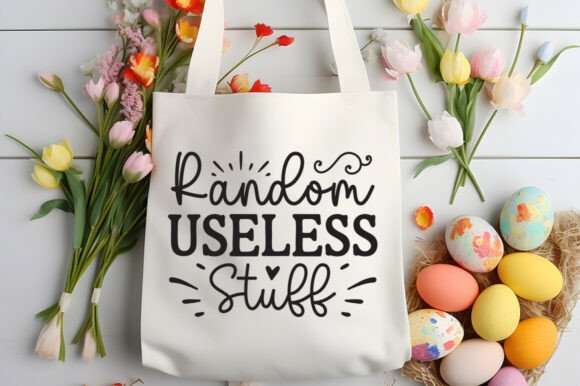
Random Useless Stuff Graphics for Crafting and Content Publishing
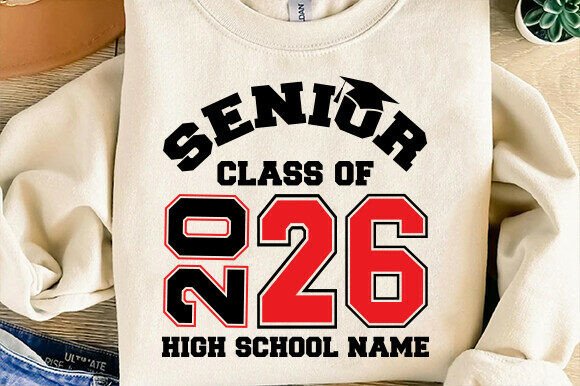
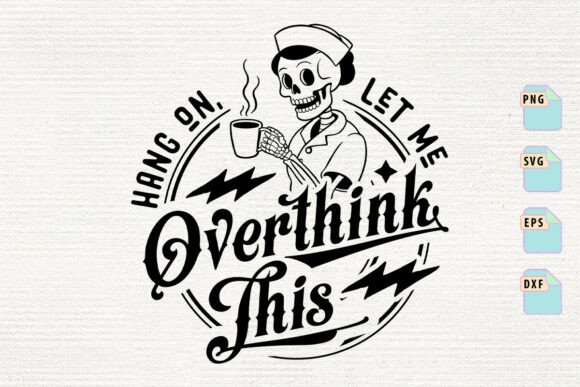
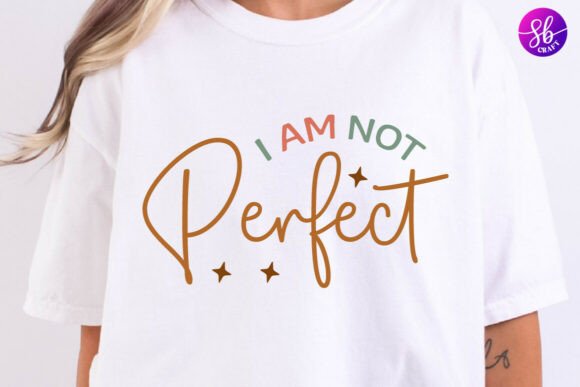
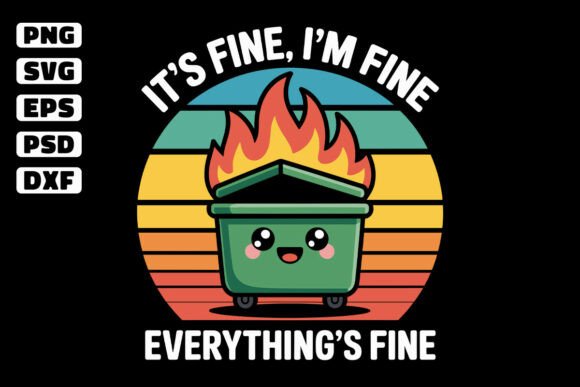
When a new graphic design asset lands on my desk, the first question I ask isn’t about its specs, but about its soul. As a publisher and blog designer, I look for how a graphic communicates before I even consider its file format. The Random Useless Stuff SVG PNG bundle presents an intriguing case. It’s a collection that instantly feels playful, whimsical, and creatively liberating. This isn’t corporate stock imagery; it’s a curated set of decorative, slightly absurd elements that suggests a mood of lighthearted DIY, creative exploration, and personal expression. For editorial content targeting a hobbyist, crafting, or lifestyle audience, this visual tone is gold.
Establishing an Editorial Mood with Playful Graphics
The name itself—Random Useless Stuff—is disarmingly honest and sets a tone. In a world of overly polished content, these graphics offer authenticity. They don’t scream professionalism; they whisper creativity. For a blog post about embracing imperfection in crafts, or a digital guide on fun home projects, this asset provides the perfect visual shorthand. It supports content niches around crafts, DIY hobbies, family activities, lighthearted gift-making, and creative play. The style leans decorative and modern, with a touch of artistic randomness that can make rigid blog layouts feel more human and approachable.
Real Publishing Workflows: From Blog Banner to Pinterest Pin
Let’s walk through a real scenario. I’m preparing a series of blog posts for a crafting affiliate site. The lead article needs a featured image, a Pinterest graphic, a thumbnail for the category page, and a banner for the accompanying downloadable guide.
First, the website header. Using a standout element from the Random Useless Stuff pack as a focal point, layered with a clear, bold headline, creates immediate visual hierarchy. Readers understand the topic is creative and fun before reading a single word.
Next, the Pinterest pin. These graphics are inherently clickable. Their unique, curious details stop the scroll. By combining a few elements from the bundle into a cohesive, vertical graphic with a compelling text overlay, you create a pin that promises a creative, unusual read—boosting click-through potential from a visually saturated platform.
For the category thumbnail on my blog’s crafts section, a consistent visual identity is key. Using a recurring motif from this asset across all craft-related posts builds instant recognition. Readers start to associate that playful visual style with a certain type of content, fostering trust and habitual engagement.
Polishing Your Digital Products and Lead Magnets
The application extends beyond the blog page. Consider your digital guides, worksheets, or Canva templates for your audience. A random useless stuff graphic used as a border or accent on a downloadable PDF transforms a simple document into a designed resource. It signals care and effort, increasing the perceived value of your lead magnet. For an ebook cover about creative hobbies, these elements can create a cover that’s both eye-catching and perfectly niche-aligned. Even a newsletter header featuring these graphics sets a tone for an email that’s about inspiration and ideas, not just dry information.
Where This Graphic Design Asset Works Best
- Hero Images & Article Thumbnails: Its unique character makes for strong first impressions.
- Pinterest Graphics & Social Media Previews: The quirky details encourage clicks and shares.
- Editorial Accents within Blog Posts: Break up text walls with small, relevant graphics to maintain visual interest.
- Content Upgrades & Downloadable Resources: Elevate the professionalism of your freebies.
- Category Visuals & Website Banners: Build a cohesive visual identity for a specific content pillar.
- Digital Ads for Creative Products: Attract a niche audience with instantly recognizable style.
A Note on Commercial Use and Performance
Given its description as an instant download cutting file compatible with machines like Cricut and Silhouette, this asset clearly comes from a creative marketplace. For publishers and affiliate marketers, the first practical note is always licensing. Confirm the commercial license terms before deploying these graphics on monetized websites, affiliate pages, or within paid digital products like online course materials. Once cleared, the SVG/PNG format flexibility is a boon for web performance. You can scale SVGs infinitely without quality loss for large headers, and use optimized PNGs for faster-loading blog graphics.
Publisher’s Practical Checklist Before Deployment
- Test on All Screens: How does it look as a tiny mobile thumbnail? Does detail vanish?
- Preview in Real Layouts: Drop it into your actual blog template. Does it clash with your brand colors?
- Check Text Readability: Overlay your typical headline styles—serif, sans-serif, script—onto the graphic. Is contrast sufficient?
- Assess File Impact: Compress PNGs appropriately. Use SVG where possible for crispness at any size.
- Consider the Context: While perfect for playful, creative, or lifestyle content, use it carefully in serious, corporate, or minimalist niches where its randomness might confuse the message.
Strengthening Brand Identity Through Consistent Assets
Ultimately, the value of a graphic like Random Useless Stuff SVG PNG isn’t in a single use. It’s in its potential to become a part of your content’s visual vocabulary. By strategically using its elements across your blog graphics, social media, and digital products, you create a subtle but strong design language. This consistency improves reader trust—they come to know your style—and elevates the overall professionalism of your publishing efforts. Your website moves from being a collection of articles to being a coherent, visually engaging brand.
For bloggers, creative entrepreneurs, and small business owners in the crafts and DIY space, this type of asset is more than a decoration; it’s a tool for visual communication. It helps you say, “This content is about fun, creativity, and making things,” without writing a single word. In the competitive world of digital publishing, that kind of clear, instant communication is what turns casual browsers into engaged readers and loyal followers.