This Nurse Needs Coffee: An Embroidery Designer's Review
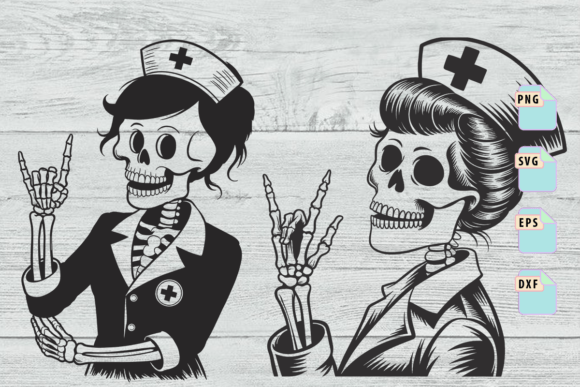
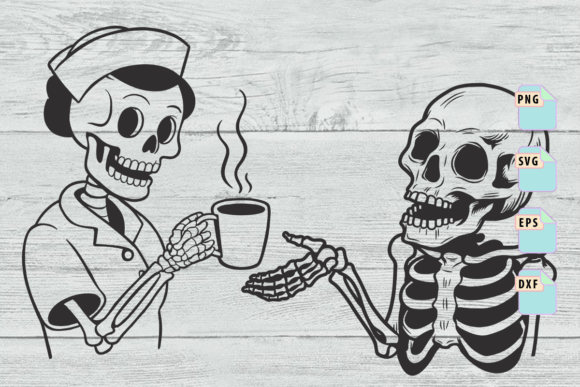
As a designer who works with embroidery clients every day, I’m always on the lookout for graphics that translate well from screen to stitch. When I first saw This Nurse Needs Coffee Svg, Funny Nurse, my immediate thought was that it perfectly captures a specific, relatable mood. It’s humorous without being overly cartoonish, and that skeleton nurse motif adds a playful, slightly edgy personality that many nurses and medical professionals would genuinely appreciate. This isn’t a generic, saccharine thank-you design; it feels authentic.
The First Impression: Where This Design Belongs
The layout is clear and graphic, with bold elements that promise good stitch definition. I imagined it embroidered on a dark heather grey sweatshirt for a nurse friend—a custom gift she could actually wear on a tough shift. The theme screams “giftable,” but it also has strong potential for small business merchandise. An Etsy seller specializing in medical professional gifts or a boutique creating custom apparel for local clinics would find this design incredibly useful. It creates an instant connection because it speaks to a real, shared experience.
From an embroidery perspective, the design’s strength is its blend of thick outlines and open areas. The coffee cup and skeleton figure should handle satin stitches or fill stitches nicely, while the text “This Nurse Needs Coffee” provides a focal point. The detail level looks manageable; it shouldn’t become a dense, thread-heavy nightmare that distorts on lightweight fabrics. My designer instinct says this embroidery file naturally belongs on items like tote bags, apron pockets, or the front of a sturdy pillow cover—places where the humor can be displayed prominently.
Real-Life Embroidery: Thinking Like a Maker
Let’s walk through a real scenario. I’m preparing a custom embroidered tote bag for a nurse’s retirement party. I want it to be durable, look professional, and get laughs. I’d consider using This Nurse Needs Coffee Svg, Funny Nurse here. The tote’s canvas fabric would support the stitch density well, and the size allows the design to be showcased without crowding. For a baby item or delicate nursery decor, I’d probably skip it—the skeleton theme, while funny, might not fit that softer aesthetic. But for a kitchen towel in a nurse’s home? Absolutely. It’s that perfect blend of utility and personality.
In my work, performance across different products is key. On a sweatshirt or hoodie, this design would pop, especially with a contrasting thread color on a dark fabric background. For a cap or hat, the curved surface requires careful planning; the text would need to be positioned so it doesn’t get lost over the seam. Creating an embroidered patch from this design is another fantastic idea—it becomes a versatile, sellable item for craft fairs. The graphic nature of the file means it would also produce clean, sharp printable mockups for digital product sellers listing the design itself.
Where to Use Careful Judgment
Any experienced embroidery designer knows that not every design fits every project. With this one, I’d be cautious on very small hoop sizes. Those decorative accents and the lettering need space to breathe; shrinking it too much could make the tiny lettering blur into a messy line of stitches. Similarly, on highly textured or stretchy fabrics like certain knits, the clean lines of the skeleton might require extra stabilizer and testing to prevent puckering.
Dark fabric is a great choice, but thread color contrast is vital. A bright white or a vibrant color for the coffee cup would be essential for visual appeal and stitching clarity. If used on a layered garment like a fleece jacket, stitch density must be adequate to penetrate the thicker material without looking sparse. Always test on scrap fabric first. This step is non-negotiable for maintaining customer trust and a professional handmade presentation.
Impact on Your Craft Business and Projects
Choosing a design like this for your commercial embroidery or handmade products affects more than just the stitch. It boosts product value because it’s niche-specific and emotionally engaging. A nurse seeing this on a product in your small shop or Etsy listing immediately recognizes the humor and feels understood—that drives buyer engagement. For a creative entrepreneur, it can become part of a consistent brand if you specialize in medical-themed gifts.
Its giftability is high, making it ideal for holiday gifts, wedding gifts for a nurse couple, or personalized products for medical teams. However, as a practical reviewer, I must note: always confirm the licensing before selling finished items or digital products derived from this file. The product description mentions it’s versatile for crafting, sublimation, and vinyl, but the specifics for commercial use need to be clear. This protects your business and ensures professionalism.
Practical Designer Notes Before You Hoop Up
- Run a test on both a light and dark fabric scrap to see how the details translate.
- Check your machine embroidery design settings for optimal stitch density on the fill areas.
- Review the design in a black and white mockup to assess pure shape clarity, ignoring color.
- For apparel like t-shirts, ensure you use the proper stabilizer to handle the stretch.
- If creating an embroidered patch, consider whether the design needs a border or can stand alone.
- Assess whether the scale is right for your project—a large tote bag versus a baby clothes accent.
- Plan your thread colors strategically; the coffee cup and skeleton could use different shades for depth.
- Remember, this is a graphic file. Its success in an embroidery project depends on your skill in adapting it.
In conclusion, This Nurse Needs Coffee Svg, Funny Nurse is a design with strong character and commercial potential for the right audience. It feels realistic for actual use, not just as a digital asset. For embroidery designers and makers targeting the medical community or looking for a humor-infused project, it’s a worthy consideration. Just approach it with the same practical mindset you use for any embroidery project: test, adapt, and stitch with confidence.